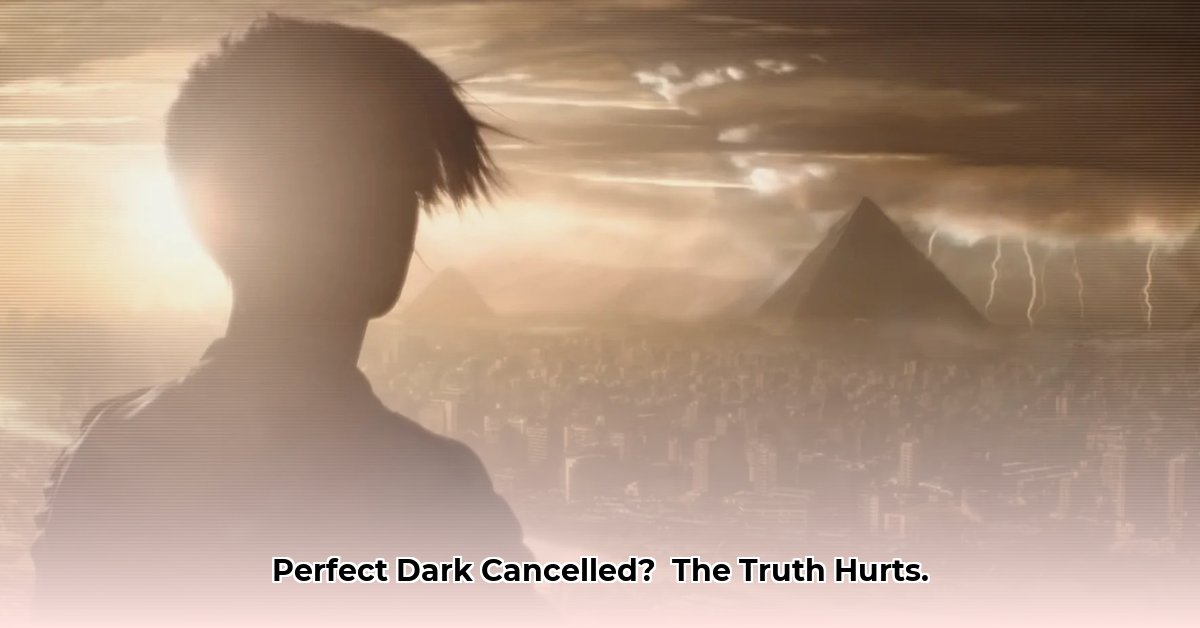
The Fall of Perfect Dark and the Restructuring of Xbox Gaming
The gaming world was jolted by Microsoft's decision to cancel the highly anticipated Perfect Dark reboot, alongside other projects like Everwild. This wasn't simply the cancellation of two games; it represents a significant restructuring within Microsoft Gaming, resulting in substantial job losses and raising crucial questions about the future direction of Xbox game development. The ripple effect of this decision extends beyond disappointed gamers, impacting investor confidence, developer morale, and the overall landscape of AAA game development.
The Financial Squeeze and Strategic Shifts
Microsoft's official explanation points to financial constraints. The massive acquisition of Activision Blizzard, coupled with a challenging economic climate, necessitated cost-cutting measures. Perfect Dark's cancellation, therefore, became a casualty of this broader financial strategy. However, this explanation doesn't fully address the complexities of the situation. The challenges faced by The Initiative, the studio responsible for the reboot, likely played a significant, albeit officially unquantified, role. This raises questions about the internal management of ambitious projects and resource allocation within Microsoft. How much did development difficulties contribute to the cancellation compared to the broader economic climate? This remains a key question unanswered by official statements.
The Initiative's Struggles: A Case Study in AAA Development
The Initiative, entrusted with reviving the Perfect Dark franchise, faced the common pitfalls of AAA game development. These large-scale projects frequently experience extended timelines, escalating budgets, and shifting market demands. Did The Initiative's ambitious vision outpace its capacity to execute? Did they misjudge the scale and complexity of the undertaking? These are pressing questions that highlight the inherent risks involved in bringing highly anticipated titles to market.
The Human Cost: Job Losses and Industry Uncertainty
The cancellations had a devastating impact on numerous employees, resulting in significant job losses. This goes beyond the direct human cost; it creates uncertainty and impacts the morale within Microsoft Gaming as a whole. The loss of experienced talent, including veteran developers, signifies a potential loss of institutional knowledge and expertise, making it challenging for Microsoft to recover from this restructuring efficiently. How will these losses influence Microsoft's ability to compete effectively in the long term? And how will it impact the quality of their output moving forward?
Lessons Learned and Charting a New Course
This cancellation serves as a critical case study for the entire industry. Microsoft needs to critically evaluate its game development processes, enhance communication with its studios, and improve collaboration across its teams. What did they learn from this experience? And how will they put these lessons into practice for the years to come? This restructuring provides an opportunity for critical self-reflection and strategic adjustments. The cancellation of Perfect Dark highlights the need for a more sustainable and less risky approach to AAA game development within Microsoft.
Strategic Reassessment: Pivoting to Xbox Game Pass?
The cancellation of Perfect Dark and other projects suggests a potential shift in Microsoft's gaming strategy. Could it indicate a move away from high-risk, high-reward AAA projects towards a greater emphasis on bolstering Xbox Game Pass and supporting established franchises? This strategic pivot requires careful consideration and evaluation. Does this mean a deliberate shift towards shorter development cycles and perhaps slightly smaller scope projects? The long-term implications of this potential shift remain to be seen.
Key Takeaways:
- Microsoft's restructuring, including the Perfect Dark cancellation, signals a significant shift in its gaming approach.
- The layoffs represent a prioritization of core franchises and the success of its subscription service, Game Pass, over ambitious, high-risk endeavours.
- The situation highlights inherent risks in large-scale AAA game development, particularly when dealing with challenging reboots of beloved classics.
- This raises concerns regarding the future of expansive, long-term projects within Xbox's development pipeline.
- The impact on employee morale and long-term development capabilities at Xbox remains a significant and largely unquantified concern.
The cancellation of Perfect Dark is more than just bad news for gamers; it's a pivotal moment that will shape the future of Xbox gaming for years to come, forcing a reassessment of strategy, risk management, and the human cost of ambitious development. The industry waits with bated breath to see how Microsoft navigates this challenging terrain.